Everything You Need to Know About Choosing Italian Bedroom Furniture
When you want to create an elegant look in your bedroom, the right piece or set of furniture makes a big difference to the spaces aesthetics. Whether you are in need of a bed frame, side table, chest of drawers, bureau, or several pieces, Italian furniture offers both style and quality of construction. On eBay, you can choose from different colours, sizes, types, and manufacturers of affordable Italian bedroom furniture for your home.
What are the available types of attractive Italian bedroom furniture?
The available types of Italian bedroom furniture on eBay include:
Beds: Bed frames, rails, headboards, and footboards are available.
Chests of drawers: Short and tall chests of drawers with three to 12 drawers are available.
Tables: Short bedside tables with storage are available.
Armoires: These pieces are designed for clothing, accessories, or electronics.
Wardrobes: These pieces are for hanging clothing.
What is Italian bedroom furniture on eBay made out of?
The Italian bedroom furniture on eBay may be constructed from materials such as:
Leather: The chairs, benches, and headboards may be partly constructed from leather.
Wood: The tables, bed frames, headboards, footboards, and chests of drawers are typically constructed from hardwood.
Metal: Support brackets, hardware, and rails may be constructed from metals such as stainless steel or powder-coated steel.
Fabrics: The upholstered furniture may have coverings such as velvet or chenille fabric.
Crystal: Decorative elements such as drawer pulls may be made of crystal or glass.
What are some features of Italian bedroom furniture on eBay?
Some of the features of the Italian bedroom furniture on eBay include:
With storage: The bed frames and side tables may have built-in storage.
With hardware: The pieces may include hardware for handles, brackets, and support.
With mattress: The sets may include a mattress and box spring.
Assembled: The furniture may be already assembled so that you can start using it.
With mirrors: The doors of armoires and other pieces may be mirrored on the inside, outside, or both sides.
How do you choose beautiful Italian bedroom furniture on eBay?
When you are shopping on eBay for elegant Italian bedroom furniture, consider its:
Brand: The options include Cappellini, Versace, and Daniela.
Colour: Some of the options include black, brown, gold, ivory, silver, and white.
Condition: There are new, used, and refurbished pieces of Italian furniture available.
Style: Choose vintage, antique, or contemporary design options.
Finish: Select glossy, matte, or metallic finishes.
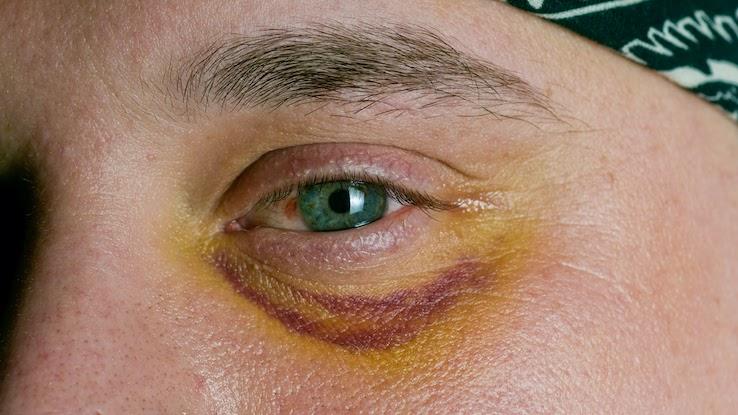
Have you ever wondered why your bruises change color, or if those colors signify something? Bruises, also known as hematomas, get their signature dark purple-bluish color from the presence of blood under the skin. Injury to the site where the bruise forms causes red blood cells to break down, and with each new stage of breakdown comes a slightly different bruise color.
Though the red blood cells undergo breakdown, the area itself under the site of injury is going through a process of healing. When you see your bruise start to change colors, rest assured that your body is performing the appropriate processes to heal your wound.
A bruise develops at the site of an injury on the skin, typically when some sort of trauma causes bleeding under the surface of the skin without actually breaking the surface. With minor injuries, such as bumping your arm or pinching your finger, the bleeding is usually confined to your skin. The bruise will likely appear within minutes to hours.
With more forceful trauma, such as twisting your ankle, running into the corner of a table or getting hit with a baseball, bleeding typically occurs in the deeper tissues of your body. The blood then gradually seeps into your skin over a period of hours to days. This is why you might not see a bruise for a day or two after you've had a fall or other injury.
The size of a bruise depends on what caused your injury and the amount of force involved in creating it. The more forceful the injury is, the greater the amount of bleeding and the larger your bruise will be. The closer to your skin's surface the bruise is, the more intense the colors of the bruise will likely be, too.
What Are the Early Colors of Bruises?
Fresh bruises can develop anywhere from minutes to days after an injury, depending on how deep below your skin's surface the bleeding is. Typically, a new bruise progresses from red to blue to purple within the first few days after an injury.
Red Bruises: When you first get a bruise — especially one near the surface of your skin — it usually appears red. The color comes from fresh blood leaking into your tissues. Fresh blood is bright red because it contains a protein called hemoglobin, which carries oxygen from your lungs to other parts of your body.
Blue Bruises: Within a few hours, blood that has leaked from your injured blood vessels loses the oxygen it was carrying. As this occurs, the blood becomes darker and the bruise begins to look more bluish or purple.
Purple Bruises:Typically, over one to three days (depending on the severity of your injury), a bruise becomes more intensely purple and may even appear black. This occurs as red blood cells break down and iron is released into the injured area.
Note that, if you have a deep bruise, the red stage may have already passed by the time you're first able to see the bruise. In this case, the first color you see may be blue or purple.
Do Bruises Change Color as They Heal?
As mentioned, when red blood cells break down, they release an iron-rich protein called hemoglobin. While your bruise begins to heal, your body converts the hemoglobin into other pigmented proteins. The presence of these proteins causes your bruise to change color as it heals.
Photo Courtesy: cipella/E+/Getty Images
Green Bruises: A green bruise indicates that the site of injury has entered its final stages of healing. The bruise may transition from purple to green at the edges or center of the injury site. The green color is due to the presence of a hemoglobin breakdown product called biliverdin. The last part of the word, "verdin," comes from the Latin word for "green."
Yellow Bruises: The final step of healing involves the bruise turning a yellowish color. This is from the final breakdown product of hemoglobin appearing in your skin; it's known as bilirubin. As your body clears the remaining cellular and other debris from the bruised area, the yellow pigment fades and your skin returns to its original tone.
You may have noticed that many bruises tend to be multicolored. This is because the amounts of blood in different areas of the bruise vary, so the stages of healing overlap.
How Should You Care for a Bruise?
There are a few things you can do to limit the extent of a bruise and help it heal quickly. The most commonly suggested technique involves a process known as RICE, which stands for "rest, ice, compress and elevate":
Rest. Once you notice your injury, try to rest the affected area. For example, if you've sustained a blow to your elbow, try not to use that arm when possible.
Ice. Wrap an ice pack or a bag of frozen vegetables in a clean towel prior to applying it to the affected area to minimize skin irritation. Do not leave the ice pack on for longer than 20 minutes at a time. You can repeat your icing sessions throughout the day to help prevent swelling.
Compress. Compression of the area can help reduce swelling and limit the amount of bleeding under your skin. This can lessen the severity of your developing bruise. Compression involves applying slight pressure without cutting off circulation or blood flow.
Elevate. If possible, keep the injured area above the level of your heart to minimize swelling.
You should see a healthcare professional if any of the following apply to you:
You seem to find bruises all over your body and cannot account for injuries that would've caused them.
You've sustained trauma to your face (particularly in the case of a black eye).
Your bruise continues to become larger or stays painful even after following the RICE method for three days.
You have a family history of bleeding or clotting disorders.
You cannot functionally use the area affected by the bruise, such as not being able to walk on a bruised ankle.
Though bruises can be painful, they're signs of healing and indicate your body is working hard to mend your injury. The next time you get a bruise, you'll know how to interpret the changing colors of your injury and can tell exactly where you are in the healing process.
An optimal layout is just as important in your bedroom as a quality mattress: They can transform a cluttered lair into a dream retreat. Moreover, it's the answer to creating a bedroom that's perfectly suited for you and your home—whether it's a studio apartment requiring a little ingenious styling and bohemian allure or a master suite that serves as a bastion of calm.
With that in mind, we've homed in on a few layouts with furniture and style tips to help you create a divine boudoir that combines form, function, and a sense of restfulness. Check out our illustrated guides for bedroom ideas for your own dreamy oasis below.
The Grandmaster Suite
Room size: 15′ x 17′
Layout tips:If you've got the room, try creating a seating area at the foot of your bed. It's a layout move we've seen in some of the world's best hotels as well as the personal residence of design maverick Mark D. Sikes. It'll transform your bedroom from a pit stop for sleeping into a space you actually want to spend time in.
The anchor pieces:A settee at the end of the bed makes a perfect spot for reading, perusing the web for home decor inspo, or setting down your coat and bag. The key here, though, is scale: You should use your bed as a benchmark. If you have a California king that's 79″ wide, choose a settee that's equal length, or 12″–15″ shorter to allow room for a side table or two. Throw a coffee table into the mix and you'll want at least 15″ of space between it and the edge of your seats—anything less and things will start to feel cramped.
A good place to start:Furniture in classic shapes combined with worldly elements such as embroidered suzani pillows and an Oushak rug make for a look that's Continentally chic. For this design scheme, we were inspired by rooms found in hotels such as theHôtel Plaza Athénée in Paris.
The Luxe "Lily Pad"
Room size: 12′ x 11′
Layout tips:You don't need to sacrifice style or function just because you live in a small space. To quote public relations expert Cole Wilson, cramped quarters often operate as "lily pads"—nothing more than spots to rest and catch our breath. All it takes, however, are a few quality pieces to revolutionize your lily pad with a luxe feel.
The anchor pieces: Here, two vignettes flank the bedroom's entrance. On one side, a secretary in lieu of a small dresser provides a spot to catch up on emails up top and enough drawer space to store your go-to knits, T-shirts, and weekday workout gear. Opposite, a wingback chair converts an unused corner into a spot to relax. The key with a small layout is to maximize storage—a slim bench at the tip of your bed and two nightstands with drawer space for socks, belts, and seasonal accessories can easily do the trick. The pro tip? Don't fret if your bed intrudes on your windows; just make sure your headboard sits in front of extra-wide drapes instead of a bare window frame—it'll trick your eye into thinking you have more wall space.
A good place to start:Gather a fewfashion-forward elements, such as animal-print pillows and pretty hues (blush, purple, red with black and white), to play up amodern glam aesthetic.
The Nomadic Nest
Room size: 18′ x 18′
Layout tips: Floating your bed is a daring move and more easily achievable than you might think. The key to this layout, which is best suited for large, square rooms, is framing the arrangement with an oversize rug. It builds a visual pedestal, making your bed the main point of focus, and lends the room a circular sense of flow.
The anchor pieces: A bed with a statement headboard and footboard or a canopy version makes a captivating centerpiece here. For lighting, opt for practicality with a pair of swing-arm lamps—they take up minimal floor space, play up the loftlike vibe, and allow for versatile light control. When it comes to the cord, run the wires underneath the bed and cover with a conduit to the closest wall outlet. With this setup it's all about getting creative with storage and using pieces in unexpected ways; think a vintage steamer trunk, an armoire in place of a closet, and mismatched chairs for stacks of nighttime reads.
A good place to start: Nomadic living and the loft of interior designer Vicente Wolf were the inspiration for this illustration. Approach this open layout as if the room were your canvas for displaying favorite finds. Aim for uncluttered but personal with global nods and a wanderlust vibe; it's as much a showcase as it is a unique sleep space that's devoted just for you.
The Transitional Twinset
Room size: 13′ x 12′
Layout tips: For families with children who share a room, creating spatial separation where there is none can be tricky. Boundaries can be set, though, and it starts with twin beds grounded with two separate 6′ x 4′ rugs.
The anchor pieces:Seen above as well as in a guest room of our lake-house makeover, twin beds are a cost-effective solution that gives everyone his or her own sense of personal space. Symmetry reigns here: You'll want to continue the twin theme with two dressers, shorter in width (about 48″) for good visual balance, and swing-arm sconces for lighting that moves. Between the beds, slip in a desk that doubles as a nightstand and further delineates the two sleeping zones.
A good place to start: Given that this is a transitional space you'll likely update over time, it's best to forgo anything superfluous and focus on furniture and basics that'll stand up to daily wear. Where you can get creative is in colors and textiles; preppy, polished, and poppy combine for a no-frills look that's easy to maintain.
The Double-Duty Den
Room size: 12′ x 12′
Layout tips: We've all got that one room that needs to serve more than one purpose, and it usually involves a place for visitors that stay the night. With multipurpose spaces, perhaps the greatest challenge is maintaining a sense of permanence as a space of its own that extends beyond accommodating guests; in other words, you don't want a den that doubles as a guest room to seem as if it can be easily dismantled or feel like little more than temporary digs.
The anchor pieces: A tailored sofa bed is of course vital, and there are now more stylish options than you can imagine. Perfect for dens, nurseries, and at-home offices, it's a high-functioning piece worth investing in. Situate it opposite a desk or media console flanked by bookcases and you've got a configuration that's pleasantly packed. Rule of thumb says that the front legs of any sofa (whether it hides a bed or not) should sit atop your rug, so be sure to get one large enough to apply this rule (6′ x 9′, 8′ x 10′, and 9′ x 12′ are all good sizes to reference.) And instead of a coffee table, consider two ottomans that can easily be maneuvered into nightstands when guests come to stay.
A good place to start: Your sleeper sofa will command the focus of the room, but design with the space with you rather than your guests in mind and let your personality shine. Play up pattern with chinoiserie mixed with zebra, or lay down a rug with Eastern appeal for a far-flung look. A space that's colorful and appealing to you is one that will make guests feel right at home too.
The Boho-Chic Studio
Room size: 17′ x 15′
Layout tips:Of all spaces, studio apartments can benefit most from a thoughtful layout, given their often-irregular shape and the need for clever furniture arrangements to make the most of every nook and corner. To begin, you can add architectural interest and spatial definition to your studio with an iron-framed canopy bed.
The anchor pieces: A canopy bed may not be the first thing that comes to mind when you think about living in one room, but being an architecturally inspired piece, it's an excellent choice if you're looking to define a sleeping area without putting up a wall. Placing it in a corner or an alcove leaves the rest of the space free for play, and incorporating it as part of the main seating area allows it to function more like a daybed when guests are over. Layered rugs can work to visually separate the sleeping area—set one slightly askew to generate a sense of movement as well. For storage, think beyond a console with a bar cart. Easy to move, it's as well suited for holding books, dishes, and small table lamps as it is for stashing booze. As for the dining area, keep it compact, cozy, and close to the kitchen with a 36″ round table (perfect for two).
A good place to start: For a studio apartment, a layout and a scheme that you can easily change up with ease is paramount. Experiment with color and texture, and curate without perfection in mind.A little bohemian allure is a look that works well with studio apartments.
About the illustrator:Jeremy Alan of Brooklyn-basedThe Ellaphant in the Room paints murals and print illustrations by commission. His commercial work can be found above as well as in New York, Real Simple, and Reader's Digest. Inspired by everyday people, places, and objects, his creations prove our world as one of magic, whimsy, and humor.
Need expert help? Contact the pros at One Kings Lane Interior Design →
The French might be the world's most stylish denizens. From their perfectly tied scarves to their impossibly delicate desserts, it's as if les français gave sophistication its name. Naturally, French style extends to interiors, and we believe we've cracked the code. With their impeccably undone appeal and nonchalant aesthetic, the French carry an air of sophistication without looking like they even tried. It's incredibly appealing and totally achievable, regardless of where you find yourself in the world. How do the French get everything from their dreamy Parisian maisons to their countryside chateaus so right each and every time? We've got the answers: Follow these seven simple tips to give your home a touch of that French je ne sais quoi.
Come Undone
A+B Kasha
Unlike the interiors of, say, a Beverly Hills manse, a French home is never overstyled. There's always an element of undone-ness, whether that be a wrinkled linen duvet cover or a classic portrait with chipped paint leaning on the floor against a wall. This is especially true for French country decorating, where easy nonchalance meets elegance.
Have a Moment of Glory
Brittany Ambridge
In contrast to those undone moments, some of the chicest French homes also embrace a touch of lavishness, like dramatic silk drapes that puddle onto the floor. If drapes aren't your style, a gilded mirror so oversize it almost touches the ceiling will certainly do.
Behold the Armoire
Nicole Franzen for Leanne Ford Interiors
French closets are nowhere near as expansive as American ones. The French answer to the closet is the armoire, a freestanding storage piece that has drawers, shelves, and/or a hanging rod. Add one to your bedroom to hold your clothing or to your bathroom to store linens and towels.
Add a Touch of Sparkle
A+B Kasha
French interiors are rarely flashy, but they often have a bit of sparkle in the form of an antique or vintage French chandelier—the older the better. The idea is to make your ceiling fixture look original like it's been around since the days of Marie Antoinette.
Celebrate Architecture
A+B Kasha
Many French homes—especially in Paris—are graced with stunning historic architecture; after all, France is much older than the United States. Thus, the French have developed the great skill of celebrating the intricate bones of their homes, rather than fighting them. If you have carved-wood detailing, leave your walls white so the sculpture can be the star of the show. Have beautiful herringbone floors? Skip that rug, or use a glass table to show them off.
Go for a Soak
Alyssa Rosenheck for Jason Arnold
The French take remarkably quick showers—the concept of conserving water isn't new to them. But soaking and unwinding in a deep tub is a specialty of theirs (they're experts at relaxing, too). Add an elegant freestanding porcelain tub to your home; even cold water will seem alluring.
RejuvenationClawfoot Tub With Black Exterior$3129
Shop
Create a Subdued Palette
A+B Kasha
It's rare to see bold, bright walls in a French home. These Europeans know their way around a color wheel, and it's usually in the realm of a gorgeously chalky and subdued hue. Think white, pale mint, sand, linen, or gray. You can add pops of color in art, decorative accents, or a dynamic bedspread like the one in this gorgeous room from A+B Kasha.
Whether a show is a total guilty pleasure or a highbrow icon of Prestige TV, a feel-good sitcom or a high-concept drama, television has the ability not only to represent and mirror society but teach us some valuable lessons about acceptance and openness.
That's why we've decided to take a look back at TV history and highlight a few titles that made TV a more representative, progressive and diverse place.
I Love Lucy
Lucille Ball in "I Love Lucy" in 1952. Photo Courtesy: CBS
Back in the 1950s, Lucille Ball's sitcom I Love Lucy, in which her character was married to Ball's real-life husband Desi Arnaz, broke a big TV taboo. When the actress became pregnant the couple thought the show, which had aired for one season on CBS, would be canceled or put on hiatus until after she gave birth. Pregnancy wasn't a thing that happened on TV at the time. And writing around an actress's pregnancy hasn't always been as easy as getting Scandal's Kerry Washington a few fabulous coats.
In the end, Ball's pregnancy was written into the show, an approach that's been used plenty of times in scripted TV since then. The writers would have to avoid the word "pregnant" though, considered too vulgar to air. The episode in which Lucy's pregnancy was announced aired in 1952. It was titled "Lucy Is Enceinte" because apparently it's OK to refer to the "p" word in French. The characters used verbal workarounds like "we're having a baby" or "blessed event" to imply Lucy's state.
Star Trek
Nichelle Nichols and William Shatner in "Star Trek." Original airdate of the episode: November 22, 1968. Photo Courtesy: CBS via Getty Images
Star Trek: The Original Series not only garnered a devoted following that's since spun several sequel series, spin-offs and movie franchises over the decades, it was also a rare example of diversity on screen. Nichelle Nichols played Uhura, a Starfleet Lieutenant and communications officer, making the show one of the first to feature a Black woman not portraying a servant. George Takei played Lieutenant Sulu, the U.S.S. Enterprise's helmsman. Having a Japanese American actor in such a visible role just two decades after World War II, a time defined by America's anti-Asian policies and racism, also highlighted the show's commitment to representation.
Then there's the kiss. Uhura and Captain Kirk (William Shatner) kissed in a 1968 episode while under the influence of aliens. You can argue whether that was the first interracial kiss on screen or not, but it sure proved the show's dedication to the depiction of a plural and diverse society. And it confirmed Kirk's famous words: "Where I come from, size, shape or color makes no difference."
The Mary Tyler Moore Show
Mary Tyler Moore in "The Mary Tyler Moore Show" circa 1975. Photo Courtesy: Getty Images
This seven-season sitcom that aired between 1970 and 1977 broke a few molds. It starred Mary Tyler Moore as Mary Richards, a single woman in her 30s focused on her career in a TV station. The show was created by James L. Brooks and Allan Burns but boasted a writers' room where there was also a significant number of women, especially for the period. Treva Silverman was one of the first women hired as a writer for the show, and, importantly, she shared her own experiences to inform the characters' lives.
Other than in the writers' room, the show was groundbreaking because it focused on the life of an independent career-woman who didn't care about getting married. And although certain themes weren't treated in the same, direct way we've grown accustomed to in the past few decades, the show made suggestions about Mary having an active sexual life and taking the pill.
It also paved the way for other career-women-centered shows like Murphy Brown, Ally McBeal,30 Rock and even Sex and the City.
Ellen
Ellen DeGeneres and Lisa Darr in "Ellen." Episode air date: July 22, 1998. Photo Courtesy: Walt Disney Television via Getty Images
The sitcom Ellen, starring Ellen DeGeneres as Ellen Morgan, was on its fourth season when it aired "The Puppy Episode" in 1997. In it Morgan was attracted to a character played by Laura Dern and she came out as gay to her friends. The "Yep, I'm gay" moment was big for American TV because up until then gay characters had been relegated to secondary, mostly one-note roles. DeGeneres' character announcing her sexual orientation coincided with the actress herself also formally coming out with a Time magazine cover and interview.
DeGeneres' figure has been under scrutiny in recent months regarding allegations of a toxic work environment in her talk show The Ellen DeGeneres Show, but in the 1990s her sitcom cleared the way for further LGBTQ representation on TV. The sitcom Will & Grace started airing in 1998 with Eric McCormack playing gay lawyer Will and best friend to Grace (Debra Messing). Then there was Queer as Folk on Showtime in 2000. It was an adaptation of a British show of the same name and depicted a group of gay friends — and their sex lives — in a nuanced way.
The Fresh Prince of Bel-Air
Karyn Parsons, James Avery, Daphne Reid, Joseph Marcell, Tatyana Ali, Will Smith and Alfonso Ribeiro in "Fresh Prince of Bel-Air." Photo Courtesy: NBCUniversal via Getty Images
The Banks — and their Philadelphia-born nephew Will Smith — weren't the first Black family on a successful TV sitcom with international success. The Cosby Show reigned first with eight seasons, running from 1984 to 1992, before Bill Cosby's sex crimes came to light.
The Fresh Prince of Bel-Air started airing in 1990 and was loosely based on Smith's life. The six-season sitcom jump-started Smith's career. But other than making the protagonist a movie star, the show also highlighted the life of a wealthy, stable and college-educated Black family, widening the scope of how Black characters were represented on TV.
And even though it was a sitcom, the show also tackled serious topics like Police profiling — Will and Carlton (Alfonso Ribeiro) get pulled over by the Police while driving a Mercedes Benz — drug use, gun violence, date rape, HIV, racism and other issues.
Ugly Betty
Vanessa Williams, Mark Indelicato, Tony Plana, Ana Ortiz, America Ferrera, Becki Newton, Eric Mabius, Judith Light and Michael Urie in "Ugly Betty." Photo Courtesy: Walt Disney Television via Getty Images
The dramedy Ugly Betty, which ran on ABC for four seasons between 2006 and 2010, was an adaptation of the Colombian telenovela Yo soy Betty, la fea. The show put a Mexican American family front and center in a primetime show. It also starred America Ferrera, who played an unstylish but hard-working woman who ends up working at a fashion magazine. Tony Plana played Betty's dad and he often mixed Spanish and English dialogue in the show, the way a lot of Hispanic families do. And Ana Ortiz played Hilda, Betty's older sister. The show garnered praise for its representation of Latinas on TV.
But it also addressed topics like body image and Hilda's teenage son coming out as gay. Besides winning three Emmys, Ugly Betty won two Gay and Lesbian Alliance Against Defamation (GLAAD) Media Awards.
Ortiz is once again involved in a history-making TV show: Hulu's Love, Victor. The show centers on Victor — a half-Colombian-American, half-Puerto Rican gay teenager — and his struggles to tell his religious family he's gay. Ortiz plays Victor's mom.
Orange Is the New Black
Natasha Lyonne, Yael Stone, Danielle Brooks, Dascha Polanco, Taylor Schilling, Uzo Aduba, Adrienne C. Moore, Kate Mulgrew, Jessica Pimentel and Selenis Leyva. Photo Courtesy: Netflix
What started as the adaptation of Piper Kerman's memoir about the months she spent in prison for a decade-old drug conviction, ended up becoming much more than that. As Jenji Kohan's (Weeds) show progressed, it stopped focusing on Piper (Taylor Schilling) and opened the scope to an incredibly diverse ensemble cast of women. The show, which aired for seven seasons on Netflix from 2013 to 2019, became a refreshing blend of tales from all the women who made it.
In later seasons, the series also commented on the for-profit prison system and immigration. But its inclusion of women of all ages, races and backgrounds is what made it stand out in the first place. Plus, the series has helped cement the careers of actresses Uzo Aduba (Mrs. America, In Treatment), Natasha Lyonne (Russian Doll), Samira Wiley (The Handmaid's Tale) and Laverne Cox (Promising Young Woman).
Pose
Indya Moore, Mj Rodriguez and Hallie Sahar. Photo Courtesy: FX
FX's Pose not only meant a front-row seat to ballroom culture. The show, created by Ryan Murphy, Brad Falchuk and Steven Canals, is set in the late '80s and early '90s and depicts the lives of a group of Black and Latina transgender women and their gay friends. They're in the midst of the AIDS epidemic and try to carve a place for themselves in a society that turns a blind eye or simply rejects them, all while they reshape the definition of family.
The show made headlines when it first debuted in 2018 for having the largest transgender cast of any scripted series. Not only that, the show enlisted writer and activist Janet Mock, and, soon after, she became the first transgender woman of color to write and direct an episode of television. Mock has written and directed several Pose's episodes since. Pose's best-known face is perhaps that of Billy Porter. The Emmy-winning actor has become a red carpet fixture thanks to the show's success. He's taken the mantle from his character Pray Tell and helped redefine what masculinity means.
Rutherford Falls
Jana Schmieding and Ed Helms. Photo Courtesy: Peacock
This Peacock sitcom that aired its first season in April 2021 is co-created and executive produced by Ed Helms, Michael Schur (Parks and Recreation) and Sierra Teller Ornelas (Superstore). Teller Ornelas is Navajo and one of the five Native writers on this show. In fact, Rutherford Falls has one of the largest Indigenous writers' rooms in history, according to Peacock.
Native American representation is also a big part of Rutherford Falls in front of the cameras with actors Jana Schmieding and Michael Greyeyes playing members of the fictional Minishonka Nation. Rutherford Falls has been praised for its depiction of Native American characters and cultures and inclusive representation. The show also stars Helms as Nathan Rutherford and Jesse Leigh as Bobbie Yang, Nathan's non-binary executive assistant.
Rutherford Falls has only aired one season so far but it'll be interesting to see if it opens new opportunities for Native American narratives told by Indigenous creators and actors.
Arc Fault Circuit Interrupter (AFCI) breakers have been on the rise ever since they were first introduced in the NEC's electrical code in 1999.
Some will find it interesting that AFCI protection once was only required in bedrooms. However, AFCI protection is now required by the NEC in almost every single room in our homes, including our bedrooms.
But why was AFCI protection required in bedrooms to begin with? The National Electrical Code (NEC) first required AFCI protected outlets in bedrooms in 1999. Industry professionals think that AFCI protection was implemented to prevent house fires caused by electrical arcs in lamps, alarm clocks, and other electrical devices plugged into outlets near flammable materials such as curtains and bedding, which could cause a fire while sleeping.
Do you need a Licensed Electrician? We can help! Get a free estimate from top-rated, screened, and licensed electricians in your area!
Since the NEC implemented AFCI requirements in 1999, their use has been expanded throughout most of the electrical circuits in houses. Let's examine arc fault circuits further to explain the NEC's logic in implementing these safety measures.
AFCI circuits are an interesting piece of technology
They have and continue to prevent a large number of house fires from ever happening – essentially saving a lot of lives in the process.
Understanding their function a bit better will help us make sure we have provided the necessary safety for our family and us.
What Is an AFCI Outlet?
An Arc Fault Circuit Interrupter (AFCI) is a device that can be found in electrical outlets and electrical breakers. It protects against electrical fires that can start from electrical faults such as arcing.
The AFCI continually monitors the electrical circuits it is installed on, and if it detects any signs of an electrical arc, it will cut out the power to that circuit. It is thus preventing the arc from happening.
AFCI outlets are an alternative to the AFCI circuit breakers in modern electrical panels. These outlets have "Test" and "Reset buttons, making it easier to test whether they are functioning as intended. AFCIs can be seen as circuit breakers that have a more specific task. See our article on testing AFCI circuits at How to Test AFCI/GFCI Circuits.
AFCIs were first introduced back in the late 90s and, ever since then, have been considered a must-have according to the electrical code."
And there is a good reason for that as more than 30,000 electrical fires are caused by arc faults each year. (1)
1. What Is an Arc Fault?
An arc fault can happen, for example, if we have two exposed wires close to each other.
In this scenario, the electricity can jump between the two wires using the air as a conductor. This jumping of electricity between two conductors (the two wires) is known as an arc fault.
There are two types of arc faults:
Parallel arc fault – This is an arc that happens between different wires.
Series arc fault – This is an arc that is happening along the same wire.
2. Why Is an Arc Fault Dangerous?
An arc fault is dangerous for several reasons:
GFCI outlets and electrical circuit breakers may not register it and respectively not trip.
An arc fault produces high amounts of temperature and can lead to electrical fires. (The temperatures an arc fault can reach can be up to 35,000 degrees Fahrenheit.)
3. What Causes an Arc Fault?
Different things can cause arc faults. However, generally speaking, they happen because of conductors that have been compromised in some way:
Loose wire connection points.
Damaged appliance cords.
Damaged electrical wiring.
Worn out or frayed cable insulation.
Bad installation of electrical cables.
Why Are AFCI Outlets Required in Bedrooms?
Appropriate arc fault protection needs to be installed in all dwelling rooms.
When the NEC first introduced AFCIs, they were required in all 15 and 20 amp bedroom receptacles.
Since then, the areas and rooms required have constantly been expanding with every code revision. Nowadays, AFCI protection is required in almost every room.
1. But Why It All Started with the Bedrooms in Particular?
We spend a lot of time in the bedroom, much of which is done while sleeping. We all know that people spend one-third of their lives sleeping, so it can be argued that we probably spend one-third of our day in the bedroom.
A high amount of electrical fires start from bad or malfunctioning receptacles or old electrical appliances. Since most people will spend a lot of time in their bedrooms, they will tend to use a lot of different gadgets, appliances, and equipment in their bedrooms.
Thus, it probably is no surprise that a lot of electrical fires start from the bedrooms.
Let's take a look at the data gathered by the National Fire Protection Association (NFPA) (2):
17% of house fires involving electrical distribution or lighting equipment start from the bedrooms. This includes electrical fires that started because of lamps, light bulbs, cords, plugs, and more.
12% of the house fires due to electrical failure or malfunction start from bedrooms.
The highest risk for an electrical fire to start is during the winter months.
Looking at the bigger picture, it is no surprise that one of the rooms that experts focused on first were our bedrooms.
2. Some Additional Details
First, let's consider the time of the year during the winter.
Many people use different space heaters to keep the bedrooms warm and cozy. All of these, if not handled properly, can pose a latent fire risk.
Second, generally, we might have a lot of different electrical appliances in our bedrooms. We may frequently move them around or have their extension cords plugged into an outlet behind a bed, desk, or wardrobe. This may wear down the cord as they rub against the wire or subject it to bending. All this may cause the cable to get frayed with time.
Third, another reason for arc faults can be, for example, a nail that goes through the wire in the walls.
3. Older AFCI Outlets
It is interesting to note that older AFCI outlets could not provide the best protection against arc faults.
Because they were relatively new technology back, then they were not able to detect series arc faults. They were also known to ghost trip frequently. Which means they tripped without an apparent reason for that.
Later on, that was improved as the newer combination AFCIs were introduced, which offered protection against both electrical arcing types. It is important to keep in mind that a combination AFCI does not refer to GFCI protection but only to arcing types.
Where Do AFCI Outlets Need to Be Placed?
According to the National Electrical Code (NEC), all dwelling room outlets installed on 15 to 20 amperage electrical circuits must be with arc fault protection.
Kitchens.
Living rooms.
Bedrooms.
Dining rooms.
Closets,
Hallways
Laundry areas
Sunrooms, and more.
The only areas where an AFCI outlet is not required are:
Bathrooms*.
Garages*.
Outside areas*.
*However these areas still need to be protected against ground faults.
What Causes an AFCI to Constantly Trip?
If your AFCI outlet (or breaker) trips frequently, this may signify a potential problem and needs to be inspected as soon as possible. Such signs should never be overlooked or ignored, as this may expose you or your home to risk.
An AFCI outlet may frequently trip due to:
An arc fault.
A short circuit.
An electrical overload.
Due to damage to the AFCI.
Bad installation of the AFCI.
Do AFCI and GFCI Offer the Same Kind of Protection?
An AFCI outlet does not offer protection against the same things as a GFCI outlet does.
While an AFCI offers protection against arc faults (or electrical fires), the GFCI protects against ground faults (or electrical shocks).
The NEC has specific requirements for what type of electrical protection needs to be installed in different rooms and areas.
Some rooms and areas may require a GFCI protection but no AFCI and vice versa.
And in some instances, both an AFCI and a GFCI protection can be required for the same receptacle.
This can be done in a couple of different ways:
Having a GFCI breaker installed with an AFCI outlet.
An AFCI breaker with GFCI outlets down the circuit.
Installing a dual-type of receptacles that have both GFCI and AFCI installed. Sometimes referred to as dual-function circuit interrupters (DFCI).
If you'd like to know more about how arc fault circuits work, check out our article How Arc Fault Breakers (AFCI) Work?
HomeInspectionInsider.com is owned and operated by Hubert Miles is a participant in the Amazon Services LLC Associates Program, an affiliate advertising program designed to provide a means for sites to earn advertising fees by advertising and linking to Amazon.com. HomeInspectionInsider.com also participates in affiliate programs with other affiliate sites. Hubert Miles is compensated for referring traffic and business to these companies.
Let's face it: Not all of us are artists. But if you do any kind of informative or creative projects for work, school or your own personal hobbies, there may come a time when you need some art. Hiring someone to make it can be expensive and timely, and even some websites that offer stock art and photos can be expensive. Luckily, there are still plenty of places out there to find free old-school clip art, some of which have been around for quite a long time. Check out a few tried-and-true favorites.
Clker.com
Clker.com features thousands of free clip art images from around the web, and it's super easy to navigate. Choose from subjects like religion, office, family, animals, baby and wallpaper. All pictures are free to use in any capacity you like since they're part of the public domain.
CC0/Kaz/Pixabay
Fudgegraphics
The graphics at the blog Fudgegraphics are high-quality even if the collection isn't as big as that of other sites. It's been around since 2008. In addition to vectors, you'll find textures, brushes, tutorials, inspiration and wallpaper, most of which are free to use.
CC0/Catkin/Pixabay
Vector Portal
Vector Portal offers vectors and clip art that are high-quality, though keep in mind that not all are available for commercial use. You'll also need to attribute the source if you choose to use the art from this site. Categories include animals, backgrounds, food and drink, military, sports and symbols.
CC0/Annalise1988/Pixabay
Vecteezy
Vecteezy relies on a community of artists to keep its graphics fresh. While some of them do require a small fee, many are free. You'll also find a cool blend of subjects and styles, ranging from pop art to kid-friendly cartoons. This isn't your parents' clip art site.
CC0/Annalise1988/Pixabay
ArtVex
If it's simplicity you seek, ArtVex is the place for you. With over 10,000 images, the site's custom Google search box makes it easy to find what you're looking for. Choose from categories like animals, nature, music, money, people and holidays.
CC0/Melaniko/Pixabay
Free PNG IMG
Not only does Free PNG IMG feature high-quality PNG pictures you don't often see on online clip art free sites, but there are over 50,000 to choose from. Each one is free to use, and you can select from categories like tattoos, holidays, cartoons, clothing, cars, brands and more.
CC0/Annalise1988/Pixabay
Stockio
If you're looking for vectors you can edit yourself, look no further than Stockio. You'll find a variety of high-quality options you can even use on professional materials. The site is excellent for making cards, invitations and backgrounds.
CC0/Annalise1988/Pixabay
123 Free Vectors
Saying 123 Free Vectors has a little bit of everything isn't an exaggeration. The site is home to over 62,000 background art and image vectors, and every single one is free to download. Choose from categories like backgrounds in individual colors and specific holidays and even specialized options, like American flag backgrounds.
CC0/PublicDomainPictures/Pixabay
Public Domain Clip Art
At first glance, Public Domain Clip Art doesn't seem like much of a website with its simple structure, but if you dig a little deeper, you'll notice it has over 25,000 free images you can use any way you want. Not only does it have popular categories, like animals and sports, but it breaks them down into categories like dogs or birds and football or golf so what you're looking for is easier to find.
CC0/PublicDomainPictures/Pixabay
Free Design File
Free Design Files has over 160,000 free vectors, so you're sure to find something you want to use here. All images are free for personal use and most are free for commercial use with a few exceptions. The site is filled with high-quality options, along with some free brushes for Photoshop and design elements.
CC0/Mohammed_hassan/Pixabay
1001 Free Downloads
The artists who run the site 1001 Free Downloads make in-house clip art, but they also collect freebies from around the Internet so they're all in one place for you to use. In addition to vectors, you'll find a variety of other tools you can use, like photos, fonts, wallpapers, gradients, patterns, brushes and textures.
CC0/Annalise1988/Pixabay
ClipArt Etc.
When you first visit ClipArt Etc.x, you might not think it has much to offer, but there's more than meets the eye. Aimed at students, teachers and anyone working on an education project, the site lets you use up to 50 of the over 71,500 clip art images in one project for free. Enjoy unique education collections like counting, seasons, insects, mathematics, American history and more.
CC0/PublicDomainPictures/Pixabay
Discovery Education
The Discovery Education site is filled with free resources for teachers and students, including free clip art. Each image is made in-house, and features a high-quality picture. These images are perfect for students to use on school projects.








:max_bytes(150000):strip_icc()/cdn.cliqueinc.com__cache__posts__84025__french-girl-decorating-84025-1528908380630-main.700x0c-14b5df926d4f44c99be0a0d3b9efc8d7.jpg)
:max_bytes(150000):strip_icc()/cdn.cliqueinc.com__cache__posts__84025__-820010-1490996487.700x0c-48119dca1b684d99af1ae0799d35098d.jpg)